
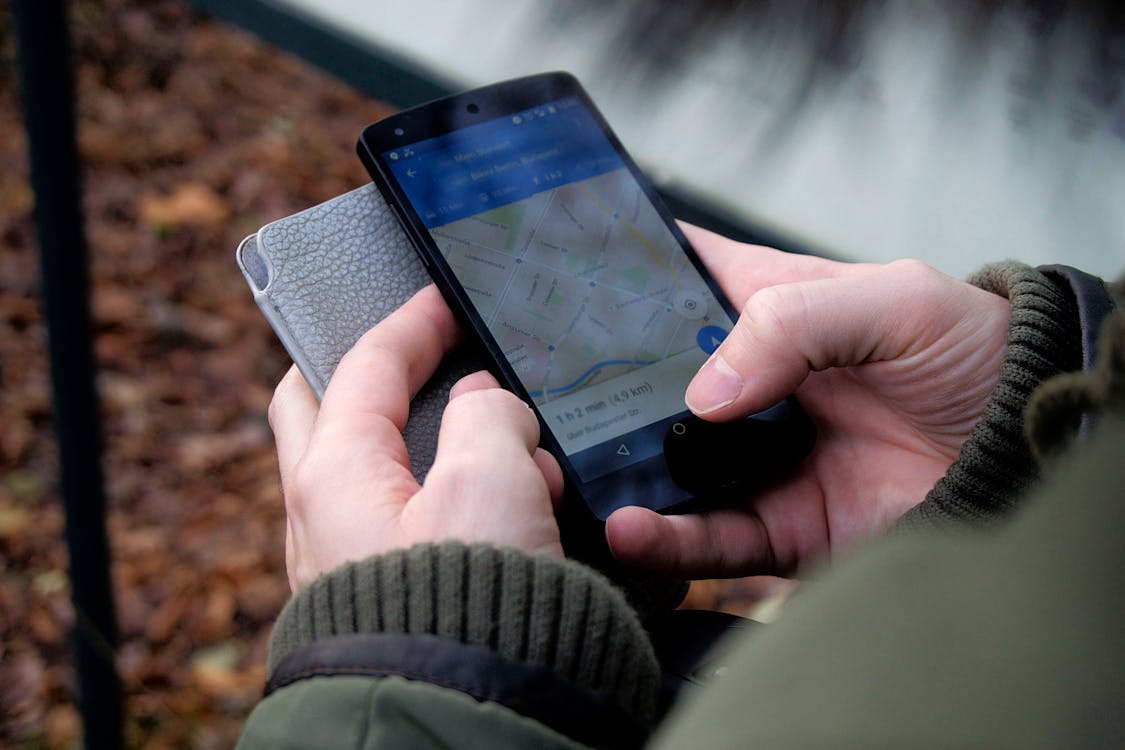
IP Geolocation is a useful method of locating a device based on its IP address in relation to a particular geographical location. Many companies implement this protocol to customize their advertisements to fit your location. IP geolocation is similar to GPS technology. The information of a device’s geographical location is archived into a “database”. The “database”, which is really a third-party site, uses other tools known as an Application Interface Software or API to gather the necessary information for tracking the location. This type of technology has been around for quite some time, and for the most part, is a reliable way for pinpointing the location of a device.
The Bad
There are areas of improvement for this sort of technology. For starters, it does not extensively cover areas that well outside of the US. While you are in another country, the IP address of your device might think you are in this other country. This becomes an inconvenience. You may find yourself in a situation when you are trying to carry out a transaction, but the currency is different because the IP address thinks the device is in another country.
The Good
There are plenty of benefits, however, to using such technology. The first one is that there are free versions available. They provide you with enough functionality to track the location of your device and redirect your location, up to a certain extent. There are premium versions that are available that offer additional functionality. This type of technology also allows you to control the flow of users operating on servers. This helps to prevent the servers from overloading.
The technology is also compatible with multiple languages. It enables you with the ability to create sites in several different languages. By doing so, users can be redirected to the appropriate language based on their geographical location, which is a feature commonly used on sites like Google.
Part of managing data regarding different geographical locations is redirecting and updating landmarks based on the location of your device. For example, if you are in one particular area of the US where there are many shopping centers, but later in the day, move to a different location with different landmarks, IP technology will easily handle updating this information and using a bulk IP geolocation lookup tool can help with this. This is useful because the way your device responds to you when you interact with it is partially based on its location.
New Marketing Method
While it certainly has its strengths, IP geolocation still has a long way to go in terms of accurately assessing the location of your device in various countries. There is a growing body of research that supports an increase in this kind of technology. More companies are looking to new methods for marketing their products, and a good way to accomplish this is to make it more tailored to you. We already can see this with companies such as Amazon, Netflix, and Facebook. Still, there is more work that needs to be done before the technology can be fully realized.
